House Bill 1200, a measure that would move Oklahoma from a triple-factor to a single-factor apportionment for corporate taxes, passed the House floor on March 5. Currently, corporations in Oklahoma are taxed based on their property, payroll, and sales within the state. HB 1200 would change this structure by taxing businesses with less than $100 million in revenue solely on sales made inside the state. Companies generating more than $100 million in revenue would have the option to choose between single-factor or triple-factor apportionment.
This reform benefits all businesses in Oklahoma, regardless of size, by removing the punitive nature of the current system, which discourages hiring new workers or expanding facilities. By shifting to this model, Oklahoma becomes a more attractive destination for employers looking to relocate or grow their operations.
This measure will allow businesses to keep more of the money they earn, enabling them to reinvest in Oklahomans. The State Chamber has identified this tax policy change as one of the most impactful steps we can take to make Oklahoma more competitive for businesses. Right now, our tax code penalizes companies for creating jobs. If we want more jobs, we must stop taxing businesses for hiring workers.
LOFT to Investigate Mental Health Agency Shortfall
Also this week, House Speaker Kyle Hilbert and Senate President Pro Tem Lonnie Paxton activated the Legislative Office of Fiscal Transparency (LOFT) to investigate a budget shortfall at the Oklahoma Department of Mental Health and Substance Abuse Services.
The decision follows Gov. Kevin Stitt’s request for an audit of the agency after concerns were raised by newly appointed Commissioner Allie Friesen regarding long-standing patterns of financial mismanagement within the department.
Legislative leaders have tasked LOFT with determining the cause and extent of the current shortfall, as well as identifying measures to prevent similar issues in the future. They noted that LOFT can provide timely answers as lawmakers begin crafting the state bud- get, which must be passed by the end of May. Additionally, a forensic audit by the state auditor will ensure there is no waste, fraud, or abuse associated with the shortfall.
Durant Student Serves as Page at the Capitol
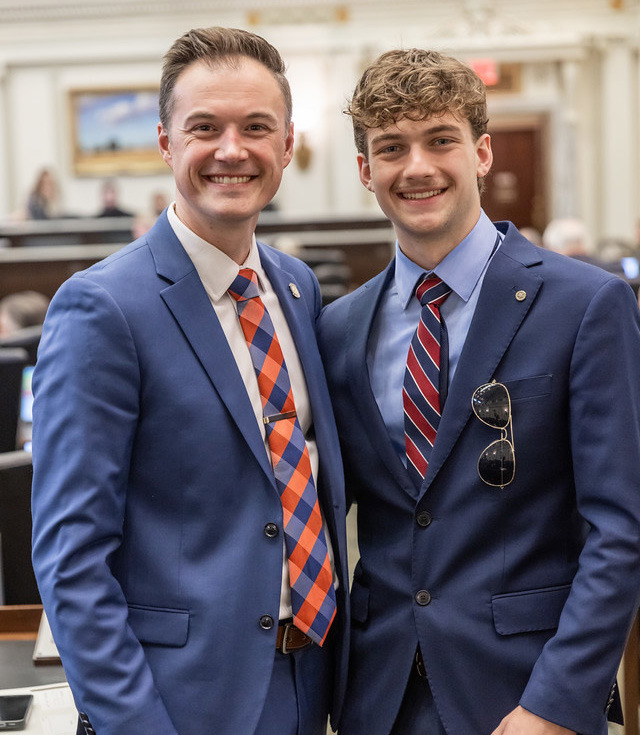
This week, I had the pleasure of welcoming a page to my Capitol office.
Carson Veenstra, a junior at Durant High School and the son of Lauren and Ben Veenstra, was recognized as a Masonic Lodge Student of the Day. Carson is a member of the National Honor Society and the Oklahoma Honor Society. He also serves as captain of his school’s academic and esports teams and is a Tiger Palooza district champion. His impressive list of extracurriculars includes aviation, Student Council, yearbook, media, band, cross country, and a law internship for the summer.
After graduation, Carson plans to pursue a business degree in college, with the ultimate goal of starting his own business and entering local politics.
The House Page Program provides students with a hands-on learning experience in government. Pages attend committee meetings and floor sessions, participate in a mock legislative session where they draft and debate legislation, and elect their own leadership. It’s a valuable opportunity for young leaders interested in public service.
I wish Carson the very best in his future.
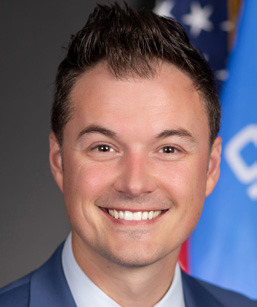
Cody Maynard serves District 21 in the Oklahoma House of Representatives. His district includes parts of Bryan and Marshall counties.