March 26 was the third-reading deadline for legislation to advance from its chamber of origin in the Legislature. All House measures had to advance to the State Senate, and all Senate measures had to move to the House in order to stay viable this session.
It was a very busy week with the House, hearing several hundred bills during our floor sessions. In total, we’ve sent 456 House measures to the Senate. Those bills now will be assigned to committees, and those that pass will be eligible for consideration on the floor of the opposite chamber. Only bills that pass in both legislative chambers are sent to the governor for his consideration of signing them into law.
Here’s a look at two of the bills I passed in the House during the week: HB3552 would give childcare providers the ability to bridge the gap between subsidy reimbursement rates and their standard tuition rates, while protecting the federal funding they receive through the Department of Human Services. We are one out of 10 states that do not currently allow this. It would help providers stay financially viable so they can continue serving families in our communities.
HB3544 would prevent minors from interacting with social artificial intelligence chatbots that are simulated to act like companions, expressing humanlike emotions. There have been multiple incidences reported around the country of minors committing acts of self-harm after interacting with these bots. This bill would not limit the use of educational or therapeutic resources.
Another bill that now moves to the Senate is House Bill 4420, the strengthening the Strong Reader’s Act. This bill, authored by the speaker of the House, is about ensuring Oklahoma students can read on grade level by the time they finish third grade. The legislation includes early identification of reading deficiencies through consistent, statewide screening; targeted intervention grounded in the science of reading; clear communication with parents about their child’s reading progress and available at-home supports.
The bill also includes accountability measures to ensure students demonstrate reading ability before advancing to the next grade. Second graders would have the option of taking the state test. It would expand teacher training and classroom support to improve instruction outcomes. It includes new requirements and accountability for colleges of education preparing our state’s future teachers. A new funding formula would support all students, while also giving additional funds for students who need more help and rewarding schools seeing growth. It creates a revolving fund to encourage public-private partnerships.
Reading isn’t like any other subject taught in school. It is the foundation of all other learning. We’ve watched as states like Mississippi implemented and stuck to rigorous reforms such as this, and we’ve seen the success of their students. We want that for Oklahoma kids. This is a significant piece of legislation that should help improve outcomes for our students for years to come.
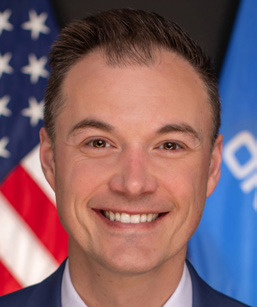
Cody Maynard serves District 21 in the Oklahoma House of Representatives. His district includes parts of Bryan and Marshall counties.